📍 Istanbul, Turkey

Hagia Sophia Mosque: Istanbul's Living Testament to History

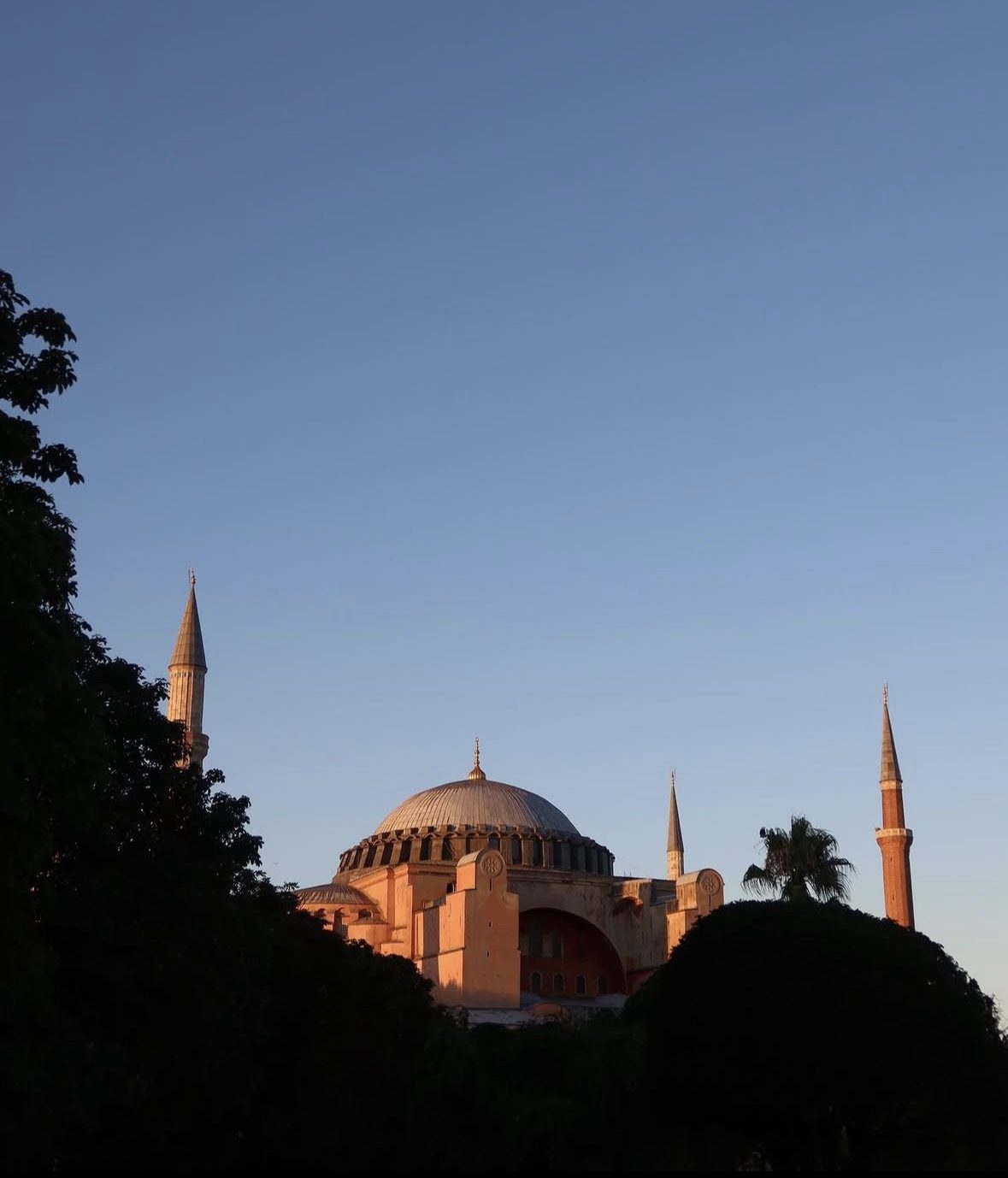
Rising above the skyline of Istanbul for nearly 1,500 years, this awe-inspiring structure has witnessed the rise and fall of empires. A seamless fusion of Byzantine artistry and Ottoman grandeur, it remains one of humanity's most extraordinary architectural achievements.

One Day. Every Icon. Zero Hassle.

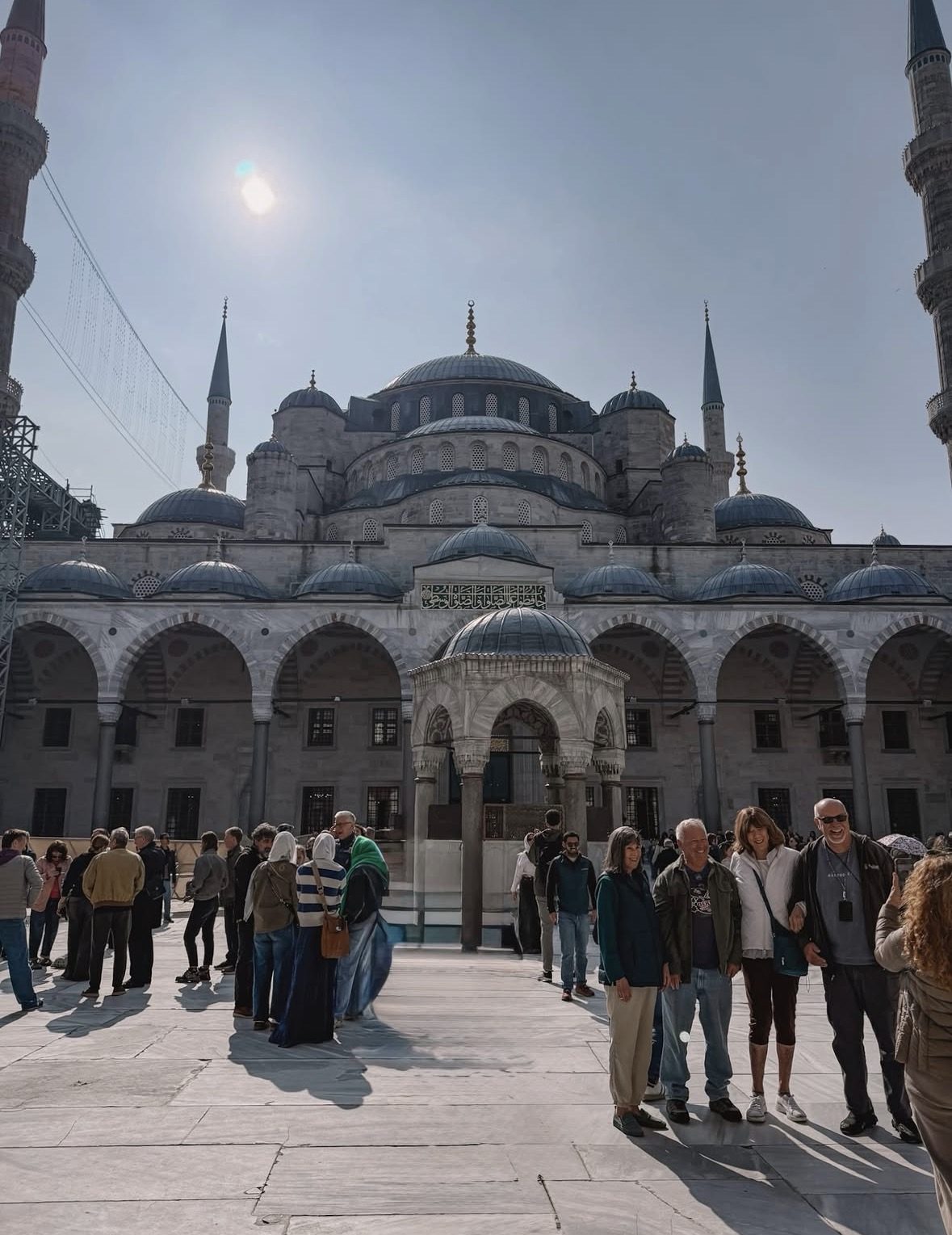
The Istanbul Highlights! Blue Mosque, Hagia Sophia, Topkapı and More tour packs the city's most celebrated sites into a single expertly guided day. You'll stand inside the awe-inspiring Church of Divine Wisdom — the landmark formerly known as Hagia Sophia — marvel at the six-minareted Blue Mosque, and explore the vast courtyards of Topkapı Museum. All entrance tickets are included, the group is kept deliberately small, and a local restaurant lunch is served en route so you never lose momentum.

  • Skip ticket queues — all entrance fees are covered
  • Small-group format for a personal, unhurried experience
  • Expert guide brings history alive at every stop
  • Authentic lunch at a local Istanbul restaurant included
  • Covers six major landmarks in one seamless itinerary
Book Now
⭐ Top Rated Istanbul Highlights! Blue Mosque, Hagia Sophia, Topkapı and More

Where History and Faith Converge in Istanbul

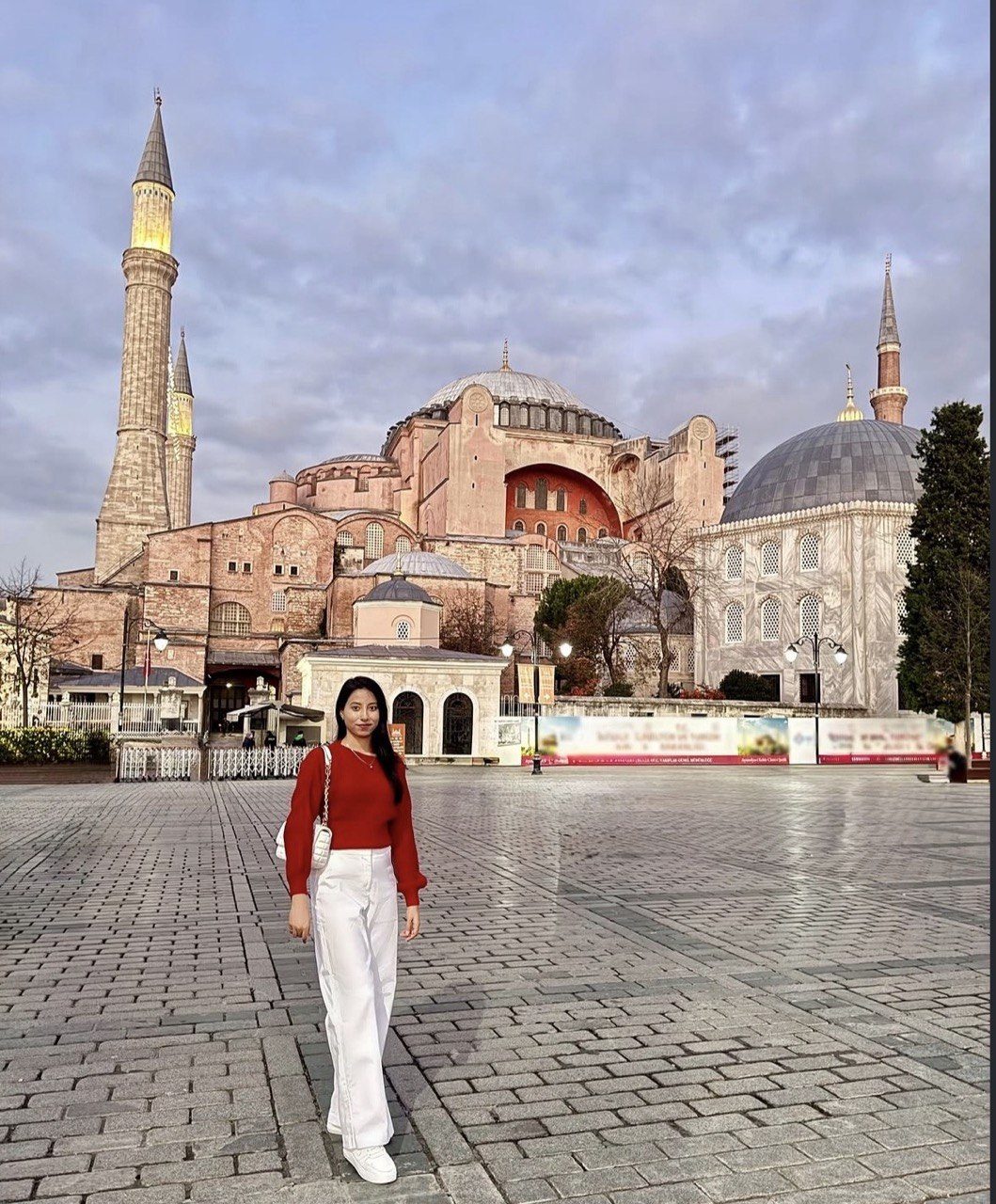
Situated at the very heart of Istanbul's historic peninsula, this landmark anchors one of the world's most captivating city skylines. It stands as the spiritual and cultural centerpiece of Sultanahmet Square, surrounded by millennia of layered civilisation.

Hagia Sophia Mosque occupies a commanding position in the Sultanahmet district of Istanbul, Turkey's largest city and cultural capital. Perched on a gentle hill overlooking the Bosphorus Strait, it sits within easy walking distance of the Blue Mosque, Topkapı Palace, and the Grand Bazaar. The surrounding square thrums with the energy of millions of annual visitors, street vendors, and local worshippers, making it one of the most vibrant public spaces in all of Europe and the Middle East combined.

Originally consecrated as an Eastern Orthodox cathedral in 537 AD under the Byzantine Emperor Justinian I, this remarkable structure served Christendom for nearly a thousand years. Following the Ottoman conquest of Constantinople in 1453, Sultan Mehmed II converted it into an imperial mosque. In 1934, Mustafa Kemal Atatürk secularised the building as a museum. Then, in July 2020, the Turkish government restored its status as a functioning mosque — a decision that reverberated across the international community and reignited global conversation about its significance.

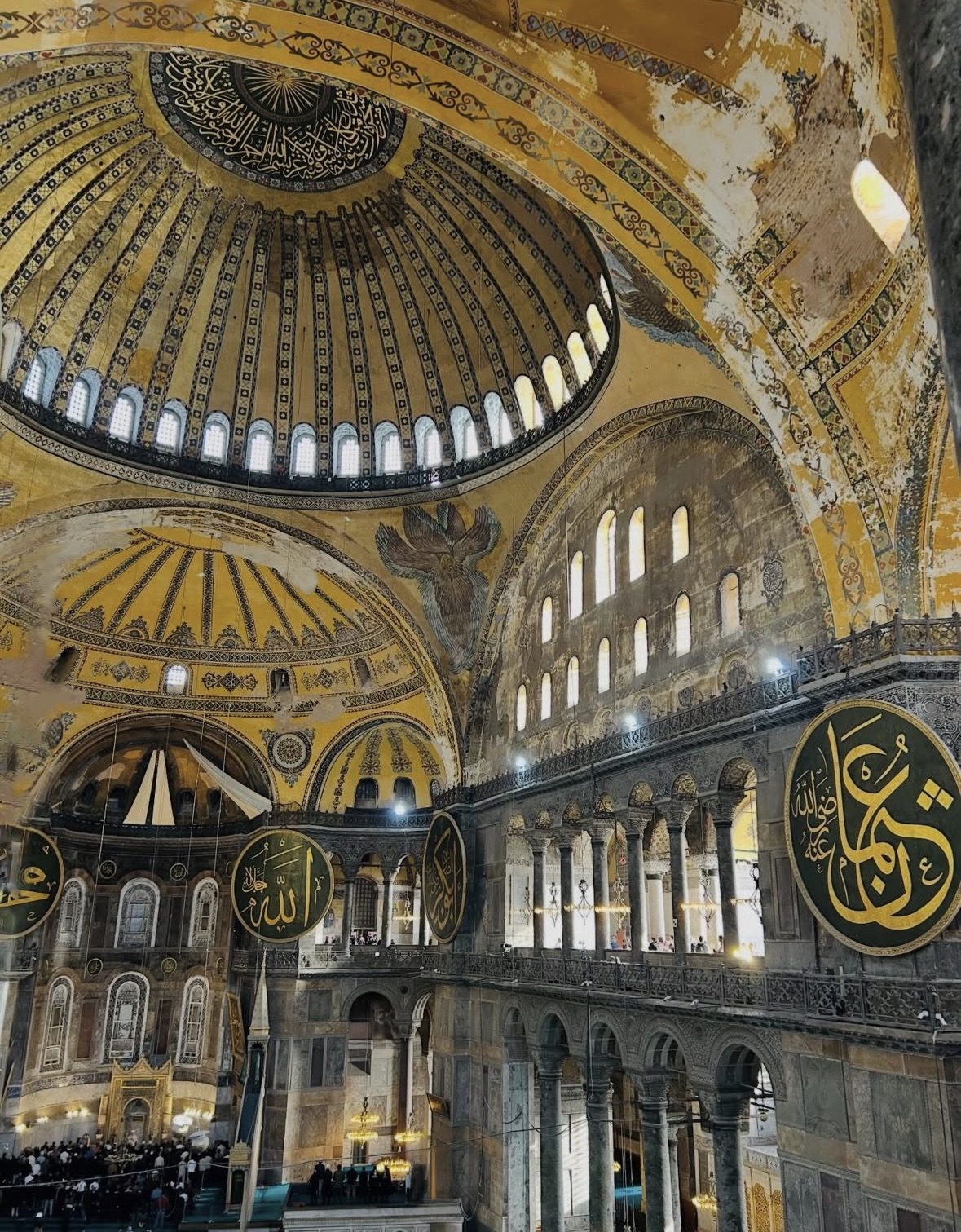
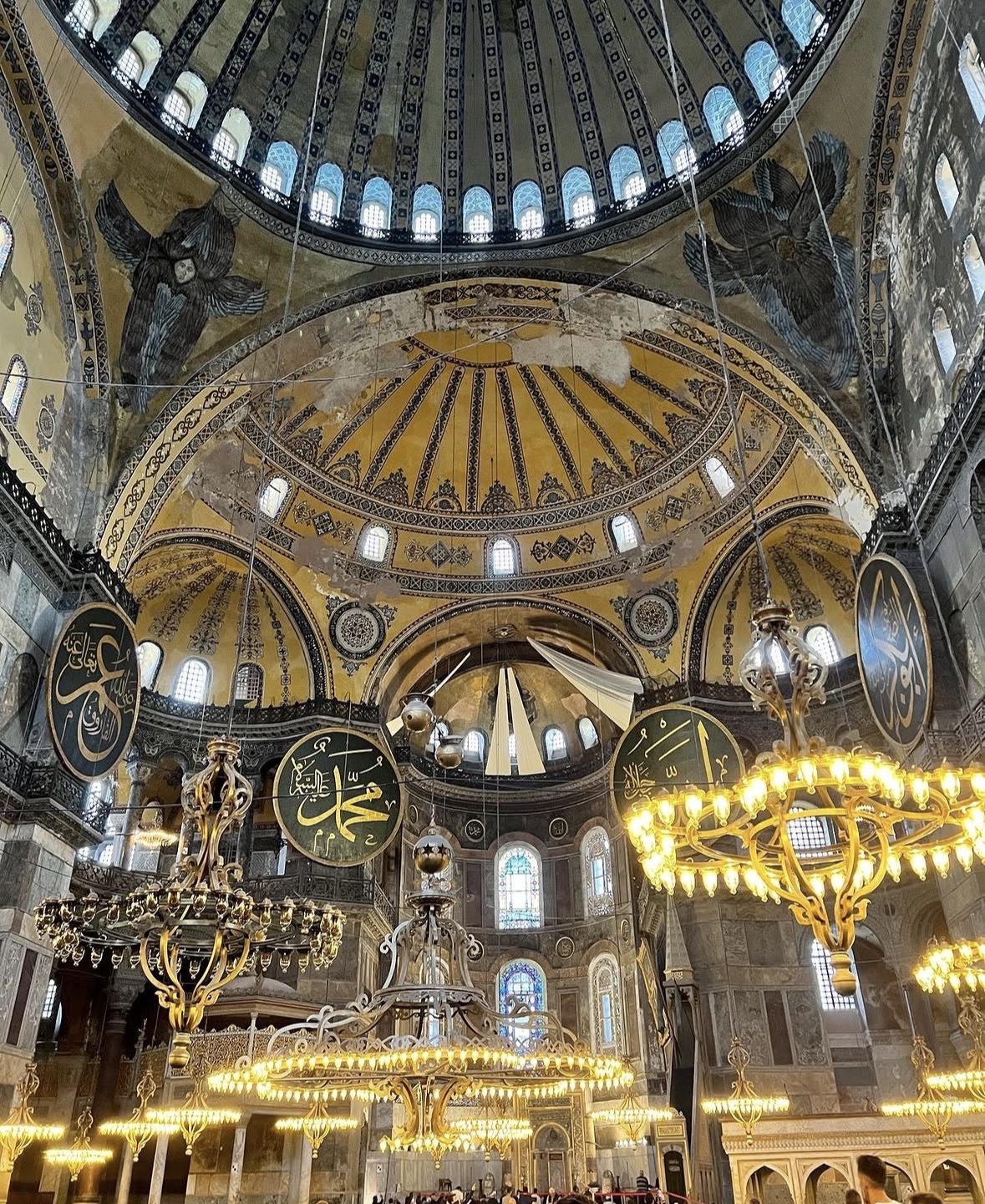
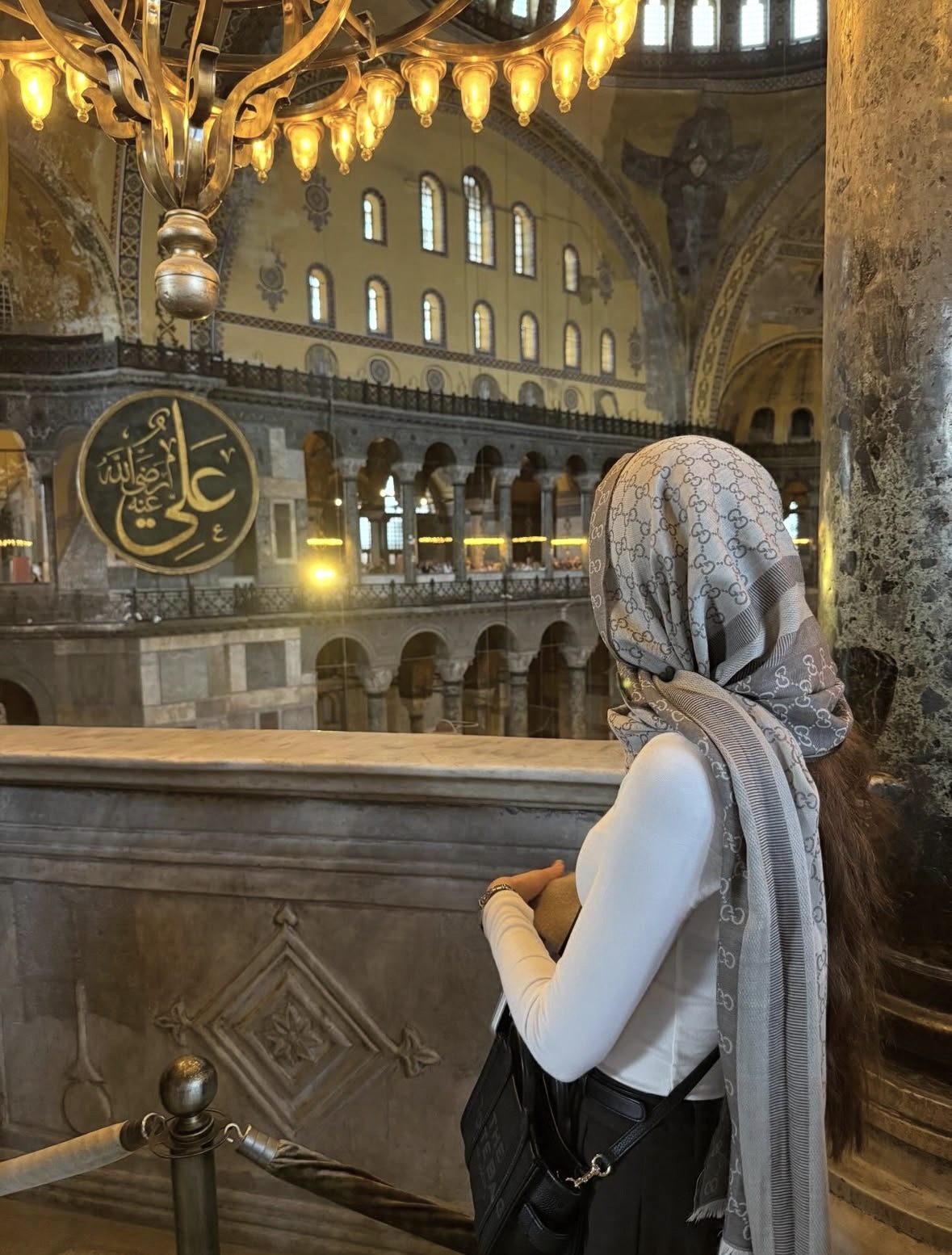
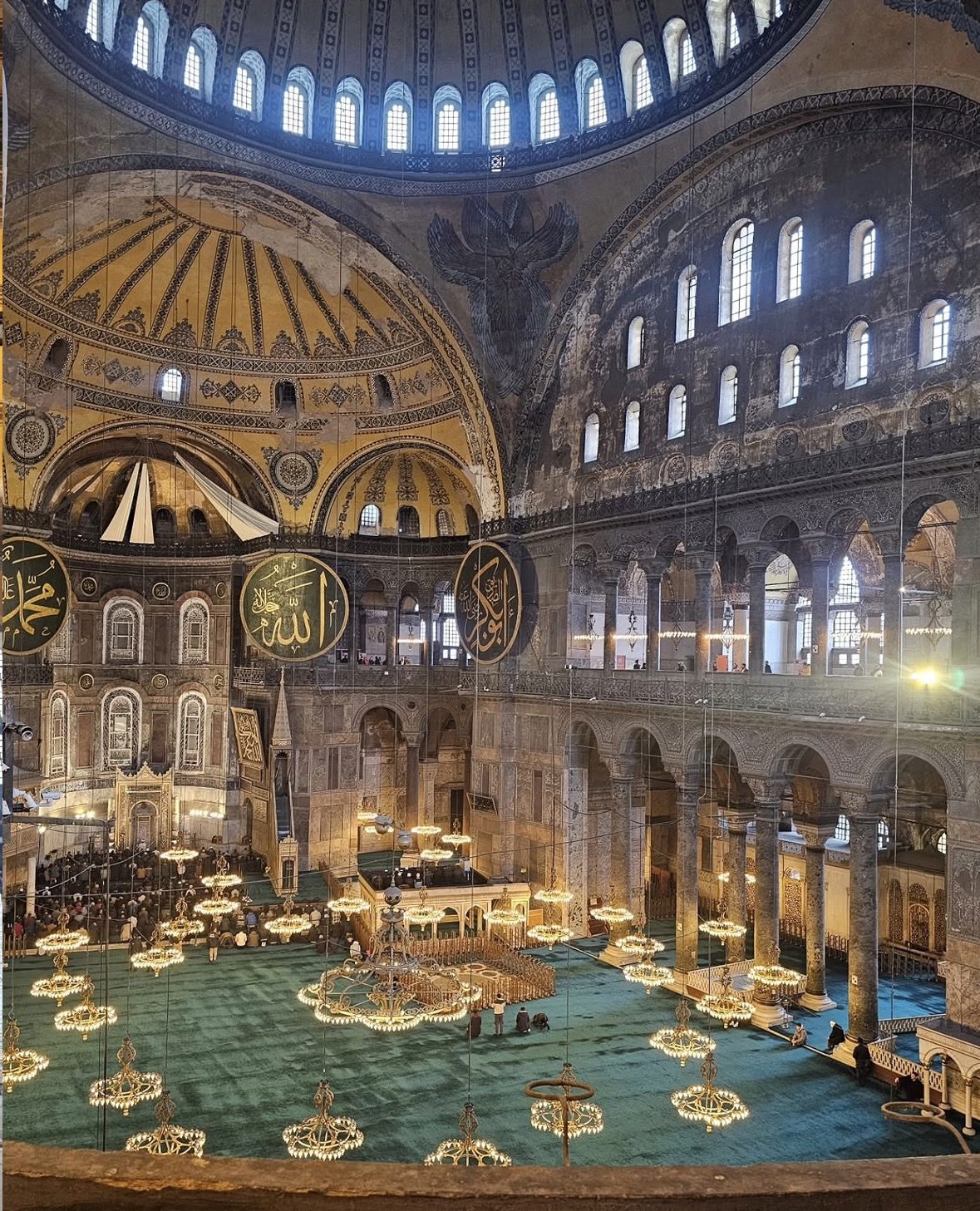
Visiting the site today is a genuinely moving experience. Non-Muslim tourists are welcomed throughout the day outside of the five daily prayer times, during which the interior is temporarily closed to sightseers. Visitors should expect to remove their shoes before entering and, where required, cover their heads and shoulders out of respect. The cavernous interior — flooded with filtered light from dozens of windows — creates an atmosphere of profound tranquility that few buildings in the world can match.

🏛️
Original Construction 537 AD
📐
Dome Diameter 31 metres
🌍
UNESCO Status World Heritage Site
👣
Annual Visitors ~15 million
🕌
Current Status Active Mosque (since 2020)
📍
District Sultanahmet, Istanbul
🏗️
~1,000 years
Longest-Standing Dome

When completed in 537 AD, its 31-metre dome was the world's largest and held that distinction for nearly a millennium. The engineering feat required the labour of around 10,000 workers and remains a marvel of structural ingenuity.

✝️
916 years
Byzantine Cathedral

For nearly a thousand years, it functioned as the seat of the Ecumenical Patriarch of Constantinople, the spiritual centre of Eastern Orthodox Christianity. It was the site of imperial coronations, councils, and solemn liturgical ceremonies.

🕌
1453
Ottoman Conversion

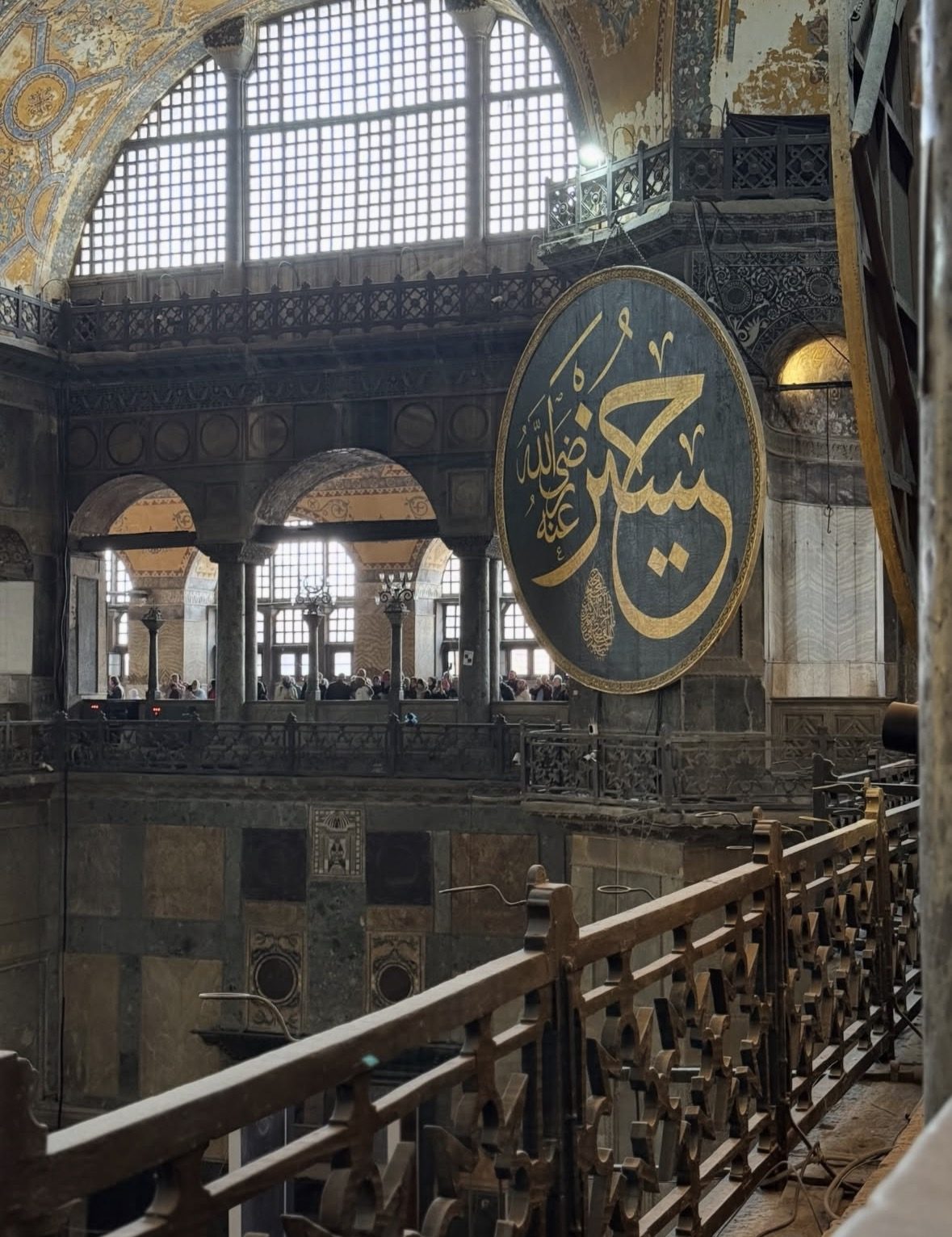
Three days after the Ottoman conquest of Constantinople, Sultan Mehmed II ordered its conversion into a mosque. Four minarets were added over subsequent centuries, and Christian imagery was plastered over or covered with Islamic calligraphy.

🎨
Hundreds
Surviving Byzantine Mosaics

Many of the original gold-tessera mosaics depicting Christ, saints, and emperors survived beneath layers of Ottoman plaster and have been carefully restored. The Deësis mosaic in the upper gallery is widely regarded as one of the greatest works of Byzantine art.

🏛️
1934–2020
Museum Era

Atatürk's government converted the building into a secular museum in 1934, allowing visitors of all backgrounds unrestricted access. This period saw major restoration work on the mosaics and structural reinforcements to preserve the ancient fabric.

📜
1985
UNESCO Inscription

The site was inscribed on the UNESCO World Heritage List as part of the Historic Areas of Istanbul. Its outstanding universal value is recognised for its exceptional architecture, historical layers, and influence on religious building traditions worldwide.

🔭

Guided Architecture Tours

Join an expert-led tour to decode the structural genius behind the soaring central dome, semi-domes, and Byzantine pendentives. Guides reveal how ancient builders solved the seemingly impossible engineering challenges of spanning such a vast space without modern technology.

🎨

Mosaic & Art Exploration

Head to the upper gallery to stand before the breathtaking Deësis mosaic and other surviving Byzantine masterpieces. The juxtaposition of these Christian artworks with Ottoman calligraphic medallions below creates a visually stunning and historically layered experience.

📸

Photography & Sightseeing

The interplay of natural light through the ring of windows at the dome's base produces extraordinary photographic conditions at different times of day. Early morning visits offer the calmest atmosphere and the most dramatic quality of light inside the vast interior.

🕌

Observing Islamic Prayer

Respectful visitors are welcome to witness the call to prayer echoing through the immense interior during one of the five daily prayer times. Observing the congregation gathered beneath the great dome is a profoundly atmospheric and culturally enriching experience.

🚶

Sultanahmet Walking Tour

Combine your visit with a self-guided or escorted walk through the surrounding Sultanahmet district. The Blue Mosque, the ancient Hippodrome, Topkapı Palace, and the Basilica Cistern are all within a short stroll, making for a full and rewarding day of history.

🍽️

Traditional Turkish Dining Nearby

The neighbourhood surrounding the site is packed with excellent restaurants serving classic Turkish cuisine, from slow-cooked lamb to freshly baked simit and strong Turkish tea. Enjoying a meal overlooking the Bosphorus after your visit is a fitting close to an unforgettable day.

How Hagia Sophia Mosque Compares to Similar Destinations

See how Istanbul's defining monument stacks up against other iconic religious and historical landmarks around the world.

When planning a trip to Istanbul, many travellers consider how Hagia Sophia Mosque fits alongside other world-famous religious and cultural landmarks. Perhaps you are weighing a broader itinerary that includes Rome's Pantheon, Istanbul's own Blue Mosque, or the Süleymaniye Mosque across the Golden Horn. Each site has its own character, crowd levels, and historical weight. This comparison helps you understand what makes each destination unique so you can prioritise your time and plan the most rewarding experience possible.

CrowdsPriceBest ForWhat Sets It Apart
★ Hagia Sophia MosqueVery High — up to 15 million annual visitorsFree entry (active mosque)History lovers, architecture enthusiasts, cultural travellersNearly 1,500 years of layered Christian and Islamic history under one dome
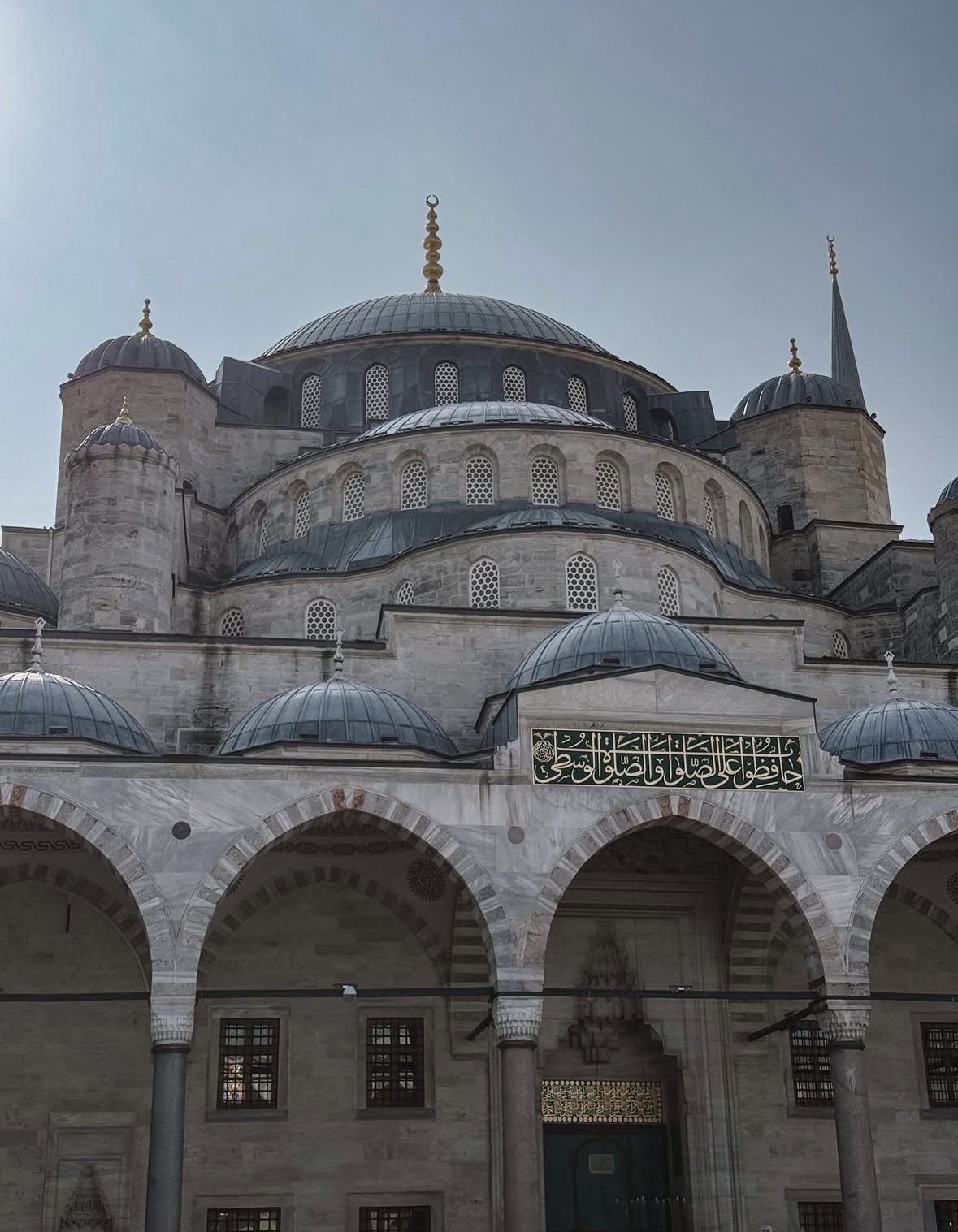
Blue Mosque (Sultan Ahmed Mosque)High — extremely popular with touristsFree entryOttoman architecture fans, first-time Istanbul visitorsIconic six-minaret silhouette and stunning İznik tilework interior
Pantheon, RomeVery High — long queues commonPaid entry (small fee)Roman history buffs, architecture studentsThe world's best-preserved ancient Roman building with an oculus dome
Süleymaniye Mosque, IstanbulModerate — less touristy than Sultanahmet sitesFree entryTravellers seeking a more authentic, local atmosphereMasterpiece of Ottoman architect Sinan with sweeping Golden Horn views

Among these extraordinary landmarks, Hagia Sophia Mosque stands in a category of its own. No other building on earth has served as the symbolic heart of two of history's greatest empires — Byzantine and Ottoman — across fifteen centuries. Its sheer scale, the survival of Byzantine mosaics alongside Islamic calligraphy, and its continued role as a living place of worship give it a depth of meaning that its closest rivals simply cannot replicate.

Hagia Sophia Mosque Everything You Need to Know

Everything you need to know to plan a seamless, respectful, and deeply rewarding visit to Istanbul's most iconic landmark.

How to Reach Hagia Sophia in Istanbul

Istanbul is served by two major international airports: Istanbul Airport (IST), the primary hub located on the European side, and Sabiha Gökçen Airport (SAW) on the Asian side. Most transatlantic and European flights arrive at IST. From there, the Havataş airport bus connects directly to Taksim Square, and a metro link to the historic peninsula opened in recent years, making the journey considerably easier. Taxis and rideshare apps such as BiTaksi are also widely available.

Once in Istanbul, the Sultanahmet district where the site is located is highly walkable and well connected by public transport. The T1 tram line runs directly to the Sultanahmet stop, just a two-minute walk from the entrance. The Istanbul Kart (rechargeable transport card) covers trams, metro, ferries, and buses and is the most economical way to get around. Ferries across the Bosphorus from Karaköy or Eminönü are a scenic option from the European waterfront.

  • 🛫 Fly into Istanbul Airport (IST) for the widest range of international connections
  • 🚌 Take the Havataş bus from IST to Taksim, then the metro or tram to Sultanahmet
  • 🚋 Board the T1 tram to the Sultanahmet stop — a 2-minute walk from the entrance
  • 🚕 Use BiTaksi or Uber for a direct transfer from your hotel to the site
  • ⛴️ Arrive by ferry at Eminönü pier and walk 10 minutes through the historic district
  • 🚇 Purchase an Istanbul Kart at any metro station for cheap, unlimited public transport
  • 🚶 Most major Sultanahmet hotels are within a 5–15 minute walk of the site
Istanbul tram on the T1 line passing through Sultanahmet district near the historic mosque

Best Seasons and Months to Plan Your Visit

The ideal months to visit Istanbul are April through June and September through October. During these shoulder seasons, temperatures are pleasantly mild — typically between 15°C and 25°C — crowds are smaller than peak summer, and the city's gardens and waterways are at their most beautiful. The golden light of autumn is particularly atmospheric when viewed from the surrounding terraces and rooftop cafés in the Sultanahmet neighbourhood.

Istanbul experiences a temperate climate with warm, dry summers and cool, occasionally wet winters. July and August are the hottest and busiest months, with temperatures reaching 30°C or higher and very long queues at major sites. Winter (December to February) sees fewer visitors and lower hotel prices, but rain and grey skies are common. During Ramadan, opening hours and crowd patterns inside the mosque can change significantly, so check local schedules in advance.

  • 🌸 April–June: mild weather, blooming tulips in city parks, moderate crowds — ideal overall
  • ☀️ July–August: peak heat (up to 32°C) and maximum tourist numbers; book everything in advance
  • 🍂 September–October: golden light, comfortable temperatures, and a more relaxed atmosphere
  • ❄️ November–March: off-peak with lower prices, but expect rain and occasional cold snaps
  • 🕌 Ramadan period: special atmosphere but adjusted access hours; verify schedules before visiting
  • 🌅 Early morning (opening time) is the best slot year-round for light and reduced crowds
  • 📅 Turkish national holidays can bring domestic tourism surges — check the calendar when booking
Aerial view of the Sultanahmet skyline in autumn with minarets and the Bosphorus in soft golden light

What to Pack for Your Istanbul Visit

Packing appropriately for a visit to an active mosque is both a practical and a cultural necessity. Modest clothing is required for entry: shoulders and knees must be covered for all visitors regardless of gender. Scarves or shawls for head covering (required for women) are available at the entrance, but bringing your own ensures comfort and hygiene. Comfortable, easy-to-remove footwear is essential, as shoes must be left at the door in provided plastic bags.

Beyond dress code, practical gear matters significantly. Istanbul's cobblestone streets and the site's vast marble floors can be slippery, so supportive flat shoes are strongly recommended over sandals or heels. In summer, carry sun protection and a refillable water bottle, as the area around the site has few water fountains. A compact camera or fully charged smartphone captures the extraordinary interior best, as professional tripods are generally not permitted inside.

  • 👗 Modest clothing: tops covering shoulders and bottoms covering knees for all visitors
  • 🧕 Lightweight scarf or shawl for women to cover hair during the visit
  • 👟 Comfortable, slip-on flat shoes — easy to remove and stable on marble floors
  • 🕶️ Sunglasses and sunscreen for the sunny outdoor square and surrounding areas
  • 💧 Refillable water bottle — Istanbul can be hot and queues can be long
  • 📱 Fully charged smartphone or mirrorless camera to capture interior light and mosaics
  • 💳 Istanbul Kart or cash in Turkish lira for trams, ferries, and street food nearby
  • 🎒 Small daypack to carry a jacket, water, and personal items during the visit
Visitor removing shoes at the entrance of the mosque, carrying a small backpack and scarf

Local Tips and Etiquette for a Respectful Visit

As an active place of worship, the site demands genuine respect from all visitors. Maintain a quiet, measured demeanour inside — loud conversation, laughter, and disruptive behaviour are inappropriate. Photography is generally permitted in tourist areas of the interior but must never disrupt worshippers during prayer. If you arrive during a prayer call, wait patiently outside; access typically resumes within 90 minutes. Greeting locals with a friendly 'Merhaba' (hello) goes a long way.

The surrounding Sultanahmet area has numerous cafés, restaurants, and shops, but some tourist-facing establishments inflate prices significantly. For an authentic and affordable meal, walk a few streets away from the main square toward Küçük Ayasofya or Çemberlitaş. Haggling is not expected in restaurants but is part of the culture in the Grand Bazaar. Turkish tea (çay) is almost always offered free in shops — accepting is a pleasant way to connect with local hospitality.

  • 🤫 Maintain a respectful, quiet tone inside — this is a functioning religious site
  • 📵 Photography is allowed in tourist zones but never near or during active prayers
  • ⏳ Arrive just before opening time to beat queues and enjoy the interior at its calmest
  • 🍽️ Walk 2–3 streets away from the main square for far better value on food and drinks
  • 🛍️ Avoid touts offering unofficial 'guided tours' near the entrance — use licensed guides
  • 🤝 A friendly 'Merhaba' or 'Teşekkürler' (thank you) delights locals and enriches interactions
  • 🗓️ Check the official website for up-to-date prayer times and any special closure periods
Visitors removing shoes respectfully at the entrance, with golden interior visible behind them

Health, Safety, and Emergency Guidance for Istanbul

Istanbul is generally a safe city for tourists, and the Sultanahmet area is well policed. No special vaccinations are typically required for Turkey for most Western travellers, though it is wise to ensure routine immunisations (MMR, tetanus, hepatitis A) are up to date before departure. Tap water in Istanbul is technically treated but has a strong taste; bottled or filtered water is recommended for drinking. Pharmacies (eczane) are widespread and well-stocked throughout the city.

As with any major tourist area, petty theft and scams targeting visitors do occur in Sultanahmet. Keep bags zipped and worn across the body, avoid displaying expensive cameras or jewellery conspicuously, and be wary of overly friendly strangers who approach you near the main attractions. In an emergency, Turkey's universal emergency number is 112. The tourist police have a dedicated office in Sultanahmet Square and can assist with theft reports and general enquiries.

  • 💉 Ensure routine vaccinations (hepatitis A, tetanus, MMR) are current before travel
  • 💧 Drink bottled or filtered water — tap water is treated but not always pleasant-tasting
  • 🏥 Identify the nearest hospital: Taksim Eğitim ve Araştırma Hastanesi is centrally located
  • 🆘 Emergency number in Turkey: 112 (covers ambulance, fire, and police)
  • 👮 Tourist police office located in Sultanahmet Square — report issues there directly
  • 👜 Keep valuables in a zipped cross-body bag and avoid displaying expensive equipment
  • ☀️ Apply sunscreen and stay hydrated during summer visits — heat exhaustion is a real risk
Tourist police officer in Sultanahmet Square near the historic mosque in Istanbul

All Tours

Hagia Sophia sits at the heart of Istanbul's most historically rich neighbourhood, surrounded by world-class landmarks all within easy walking distance.

Hagia Sophia Mosque What Visitors Are Saying

Travelers from around the world share their unforgettable experiences visiting Hagia Sophia Mosque in the heart of Istanbul.

★★★★★

"Standing inside this extraordinary building for the first time was genuinely overwhelming — the sheer scale of the central dome took my breath away. The layering of Byzantine mosaics alongside Ottoman calligraphy creates an atmosphere unlike anything else I've ever encountered. It felt less like visiting a monument and more like stepping through centuries of living history all at once. Arriving early in the morning meant we had relative quiet before the crowds arrived, which I'd strongly recommend to anyone planning a visit."

MT
Margot T.April 2025
★★★★★

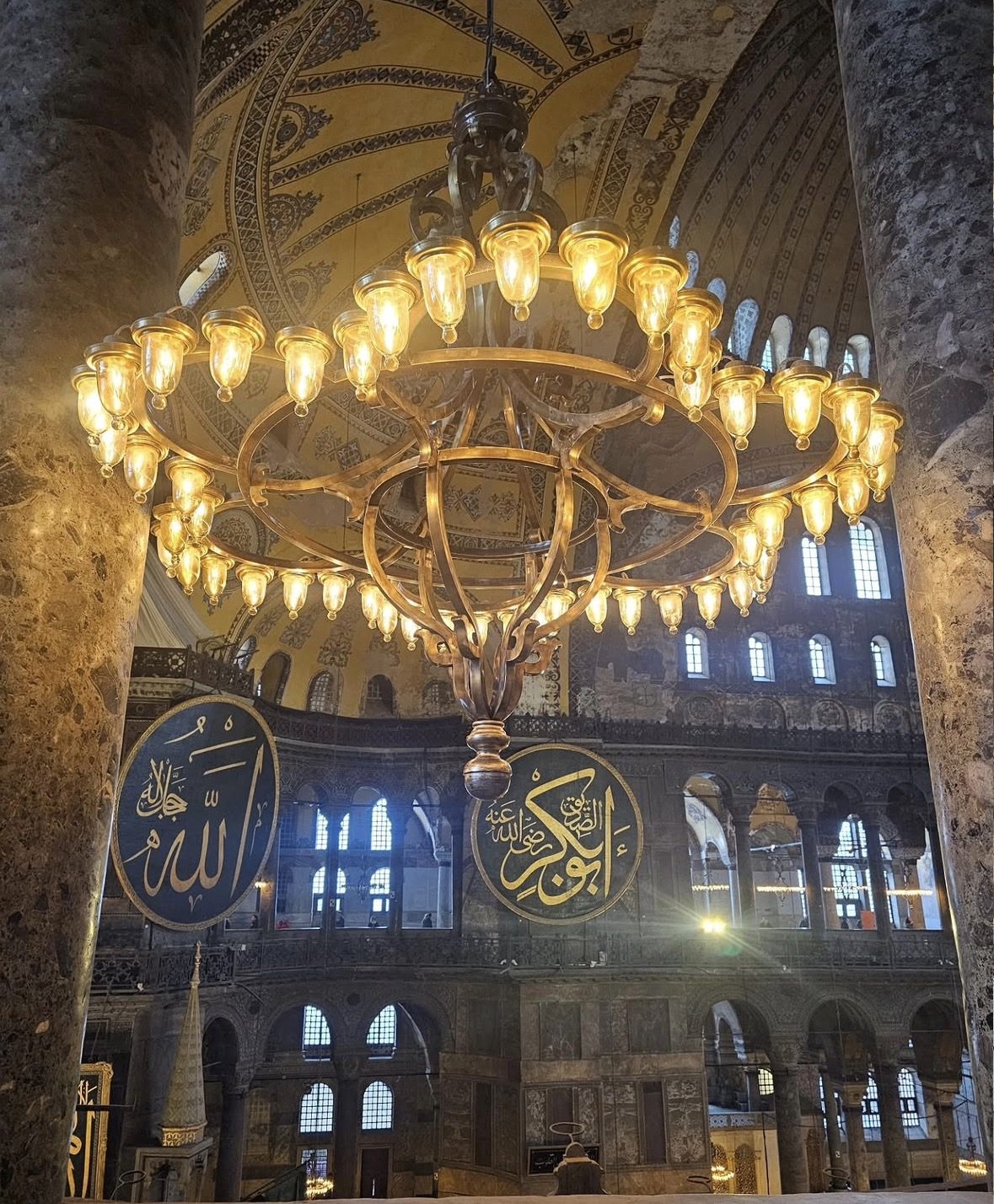
"I've visited dozens of historic religious sites across Europe and the Middle East, but nothing quite prepares you for the grandeur of this place. The enormous medallions bearing the names of Allah and the Prophet Muhammad hang beautifully alongside ancient Christian iconography, creating a profound visual conversation between two great faiths. The acoustics inside during prayer time are extraordinary — deeply moving even for a non-religious visitor. Our guide was incredibly knowledgeable and helped us understand the site's layered significance."

JO
James O.March 2025
★★★★☆

"Hagia Sophia Mosque is every bit as impressive as the photographs suggest, though managing the crowds can be challenging during peak tourist season. We visited on a Saturday afternoon and the interior was extremely busy, making it harder to pause and absorb the architecture properly. That said, the mosaics visible on the upper gallery level are stunning and well worth the extra effort to access. I'd give it five stars if the visitor flow were better managed, but it remains an essential stop in Istanbul."

YN
Yuki N.July 2024
★★★★★

"Few places in the world carry this much accumulated history within a single set of walls, and it shows the moment you walk through the Imperial Gate. The enormous dome — still one of the largest in existence — seems to float above you in a way that defies the era in which it was built. We visited during the early evening when the light through the upper windows cast golden shafts across the marble floors, making the whole interior glow. An experience I'll carry with me for the rest of my life."

AV
Anya V.September 2024
★★★★★

"Visiting this iconic landmark was the highlight of our entire trip to Turkey, full stop. The blend of Byzantine and Ottoman design elements feels completely organic rather than contradictory, which speaks to how thoughtfully the space has been layered over the centuries. We found the staff respectful and helpful, and the dress code requirements were clearly explained at the entrance. Even my teenage kids, who are not usually interested in historical sites, were genuinely awestruck."

CM
Carlos M.June 2024
★★★★☆

"A genuinely magnificent structure that rewards careful, unhurried observation — the detail in the stonework and the surviving mosaics is extraordinary once you start looking closely. We appreciated that entry is free, though a donation is welcomed, which makes it accessible to travelers on all budgets. Some of the restoration scaffolding was visible during our visit, which slightly obscured one section of the upper gallery, hence four stars rather than five. Still, it's an absolute must-see and the surrounding plaza with views of the Bosphorus is spectacular in its own right."

PS
Priya S.October 2024
★★★★★

"I visited as part of a solo trip through Istanbul and spent nearly three hours inside without feeling like I'd seen everything. The upper gallery offers a completely different perspective on the nave below, and that's where some of the most important surviving mosaic panels are located. The contrast between the ancient golden tesserae of the Byzantine artwork and the elegant Ottoman calligraphy discs is genuinely breathtaking. This is one of those rare places that exceeds every expectation you bring to it."

LB
Lena B.February 2025
★★★★★

"As someone who has studied Byzantine history for years, walking into this building was a profoundly emotional experience. The structure is a testament to how two great empires — one Christian, one Islamic — each left their mark without fully erasing what came before. The marble floors, the semi-domes flanking the central nave, the light filtering through the rows of windows at the base of the dome — all of it is as magnificent in person as in any book or photograph. If you visit Istanbul and skip this, you've missed the heart of the city."

TR
Thomas R.January 2025

Watch Hagia Sophia Come Alive

Experience the breathtaking scale, history, and atmosphere of Istanbul's most iconic monument through these stunning video guides.

Video thumbnail showing the illuminated interior dome of the Hagia Sophia Mosque at dusk

Find Hagia Sophia Mosque

Hagia Sophia Mosque is located at Sultan Ahmet, Ayasofya Meydanı No:1, 34122 Fatih/İstanbul, Turkey, in the heart of the Sultanahmet historic district.

Hagia Sophia Mosque Frequently Asked Questions

Everything you need to know before you visit one of Istanbul's most extraordinary landmarks.

Originally constructed as a Greek Orthodox Christian cathedral in 537 AD under the Byzantine Emperor Justinian I, it served as the seat of the Patriarch of Constantinople for nearly a thousand years. Following the Ottoman conquest of Constantinople in 1453, Sultan Mehmed II converted it into a mosque, adding minarets and Islamic ornamentation while preserving much of the Byzantine fabric. In 1934, Mustafa Kemal Atatürk secularized the building and turned it into a museum. In 2020, the Turkish government reconverted it to an active mosque, a status it holds today.
Yes, the site remains open to visitors of all backgrounds and faiths, even in its current status as an active mosque. Entry is free of charge, though donations are welcomed and go toward the building's ongoing maintenance. Visitors are asked to dress modestly — shoulders and knees must be covered — and women are required to wear a head covering inside. Loaner coverings are typically available at the entrance if needed.
Many of the famous Byzantine mosaics remain visible, particularly those in the upper gallery, which is accessible via a ramp from the ground floor. The stunning Deësis mosaic, depicting Christ flanked by the Virgin Mary and John the Baptist, is considered one of the finest examples of late Byzantine art in existence. Some mosaic panels near the main prayer area may be partially covered during active prayer times out of respect for worshippers. Outside of prayer hours, most of the significant artwork is viewable.
The site draws millions of visitors each year, so timing your visit wisely makes a significant difference. Weekday mornings, ideally right when the doors open, offer the calmest atmosphere and the best light filtering through the upper windows. Mid-summer (July and August) and weekends tend to be the busiest periods, so spring and autumn are generally the most pleasant seasons for a visit. Arriving outside of the five daily prayer times also allows for a more relaxed exploration of the interior.
The central dome, spanning roughly 31 meters in diameter and rising about 55 meters above the floor, is the defining feature and was the world's largest dome for nearly a thousand years after construction. A ring of 40 windows at the dome's base allows natural light to flood in, creating the illusion that the dome is suspended from above — a deliberate optical effect by the original architects. The semi-domes on the eastern and western ends, the ancient marble columns sourced from temples across the Roman world, and the intricate patterned stonework of the floors are all worth examining closely. The eight large Ottoman calligraphy medallions bearing sacred Islamic names are equally striking and complement rather than clash with the Byzantine elements.
As of 2024, entry to the site is free for all visitors, regardless of nationality. This is notable given that many of Istanbul's major attractions charge admission fees. While no ticket purchase is required, there is a donation box at the entrance and contributions are encouraged to support preservation efforts. Lines can form at peak times, so arriving early reduces waiting time.
Yes, because it functions as an active place of worship, a modest dress code is strictly enforced. Both men and women should have their knees and shoulders covered before entering, and women must also cover their hair with a scarf. If you arrive unprepared, free loaner scarves and disposable shoe coverings are usually available at the entrance. Shoes must also be removed before stepping onto the carpeted prayer areas of the nave.
Most visitors spend between one and two hours inside, though history enthusiasts and architecture lovers often find three hours pass quickly. The upper gallery alone warrants at least 30 to 45 minutes of exploration given the density of surviving mosaics and the remarkable bird's-eye perspective of the main hall. Combining your visit with the nearby Sultanahmet Square, the Blue Mosque, and Topkapı Palace makes for a full day in the historic peninsula. Taking a guided tour can help you make the most of your time by pointing out details that are easy to miss.
Yes, it is part of the Historic Areas of Istanbul, which was inscribed on the UNESCO World Heritage List in 1985. The designation covers several sites in the Sultanahmet district, recognizing the area's outstanding universal value as a crossroads of Byzantine and Ottoman civilizations. UNESCO has expressed concern about the 2020 reconversion regarding its implications for preservation and universal access, but the site remains on the list. The Turkish government has committed to maintaining public access and protecting the building's integrity.
The site is located in the Sultanahmet neighborhood on Istanbul's historic European side, making it easily accessible by several forms of public transport. The Sultanahmet tram stop on the T1 line deposits you just a short walk from the entrance and is the most convenient option from the city center or Galata Bridge area. Taxis and rideshare apps are also widely available, though traffic in the old city can be slow during rush hours. Many visitors choose to walk from the Grand Bazaar or Spice Bazaar, both of which are within a comfortable 15- to 20-minute stroll.

Ready to stand beneath the dome that changed architectural history forever?

Book Your Tour Now

From Imperial Cathedral to Ottoman Mosque: A 1,500-Year Story

Built under Byzantine Emperor Justinian I in 537 AD, this extraordinary structure has served as a Christian cathedral, an imperial mosque, a secular museum, and once again an active mosque — each transformation reflecting the seismic shifts of civilisation itself. Its walls hold the prayers, power struggles, and artistic visions of fifteen centuries of human history.

📅 Book Now